Home / Blog / How to think about mining
Guide · Sep 8, 2026 · 8 min read
The price of a miner is not the price of the box
The sticker price of a mining machine is the smallest honest number in the deal. Freight, duty, customs, cooling plant and setup all sit between the box and its first hash — and they quietly change which machine is actually the cheaper one.
The number everyone quotes
Almost every price you will see for a mining machine is the price of the box at the place where the market for it clears. Manufacturers say as much themselves: their list prices exclude shipping, customs charges and taxes. For most of the world’s hardware that is Hong Kong and Shenzhen, where manufacturers, wholesalers and traders meet, and it is the right reference for what a machine is worth.
It is not what a machine costs you. Between that warehouse and the moment the machine produces its first hash there is a flight, a border, a customs agent, a position in a rack or a loop, a technician, and usually some electricity paid in advance. Each of those is a real cost, most of them are the same whichever machine you buy, and together they are often a large fraction of the box.
That is why every price in our shop is the all-in price: the machine delivered, cleared, racked, set up and hosted at the site you choose. The box price is still there — it is the first line of the breakdown under every total — but it is not the number you pay.
Nobody mines in a warehouse in Hong Kong.
What sits between the box and the first hash
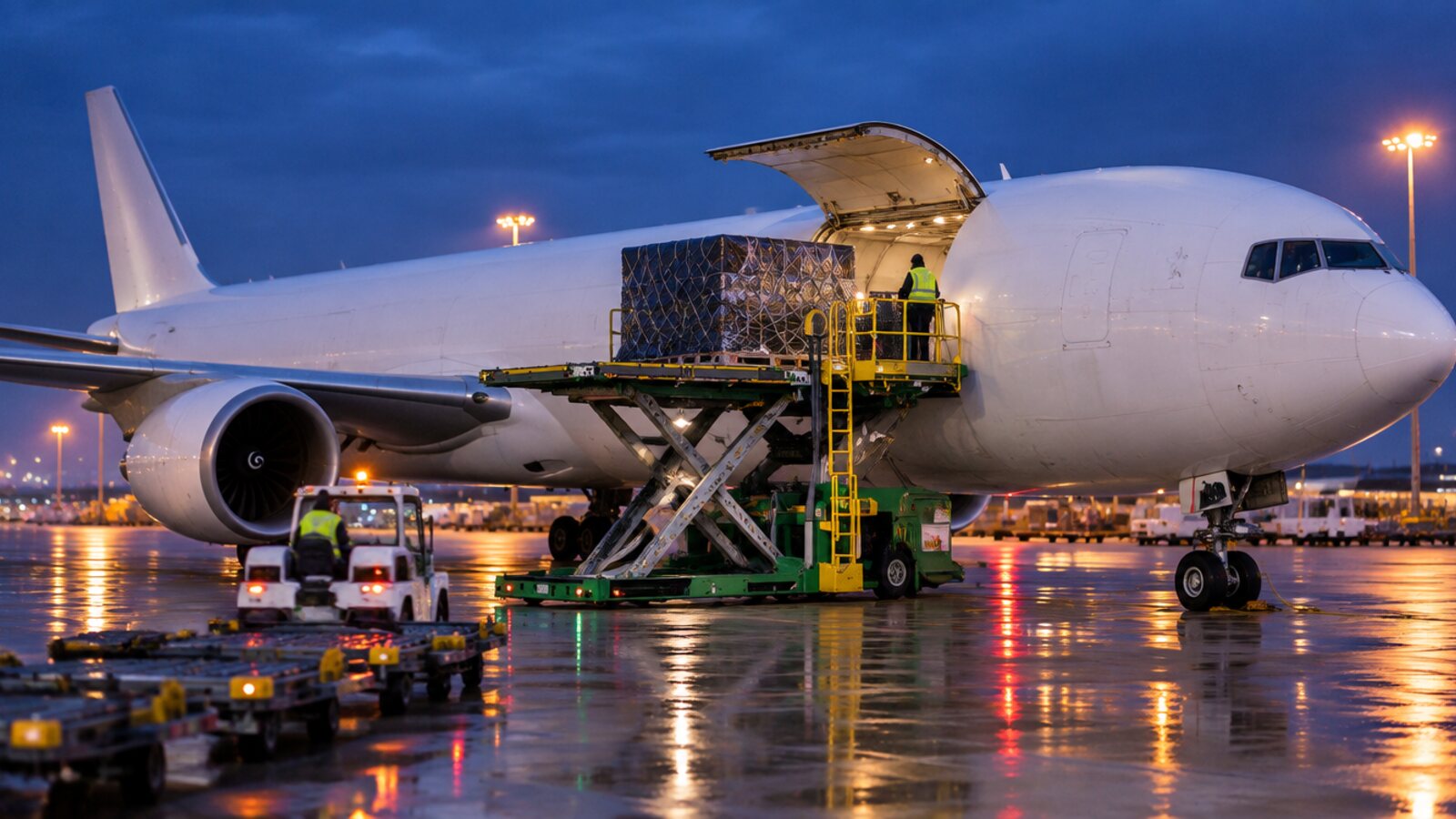
Freight. Mining hardware is heavy and valuable, and a great deal of it travels by air, because a machine sitting in a port for six weeks is six weeks of hashrate that never happens. Freight follows weight and bulk rather than value, so it barely changes between a cheap machine and an expensive one.
Import duty. Many countries tax computing hardware on the way in, as a percentage of its value. It depends entirely on the destination: some charge a substantial rate, some charge nothing. Among our own sites, Argentina and Nigeria charge it and the UAE does not.
Customs brokerage. Someone has to classify the goods, file the paperwork and get the shipment released. We quote brokerage as a percentage of the machine’s value, so this line grows with the price of the box.
Infrastructure. A machine needs somewhere to live: a position in an air-cooled rack, space in an immersion tank, or a connection to a water loop with the pumps, manifolds and heat rejection behind it. That plant is built before the machine arrives, and the honest price includes the machine’s share of it.
Setup. Unpacking, inspection, racking, network configuration, pool setup and the first hours of monitoring. A fixed amount of work per machine, whatever its hashrate.
The hosting deposit. Electricity paid in advance and held against your bills. It is not a fee — it is the first months of power — but it is money that leaves your account on the day you buy, so it belongs in the number you plan around.
Flat costs and percentage costs pull in opposite directions
Look at how those lines scale and a pattern appears. Freight, setup and infrastructure are flat: roughly the same amount per machine whatever it cost. Duty and brokerage are percentages: they grow with the price of the box.
That means the extras weigh on different machines in different ways. On a cheap, older machine the flat costs can be a surprisingly large share of the total — the flight costs about the same whether the box inside it is worth a few hundred dollars or several thousand. On an expensive flagship the percentage lines dominate, and where import duty applies it can be one of the largest lines on the quote.
It also means the same machine has a different all-in price at different sites. An expensive water-cooled machine landing somewhere without import duty carries a noticeably lighter total than the identical machine landing somewhere with it. That is one of the quieter reasons hydro machines are hosted where they are.
Per terahash, density wins
Divide the all-in price by the hashrate and the flat costs start to favour big machines. One freight line and one setup spread across several hundred terahashes is a much smaller cost per terahash than the same line spread across a hundred.
There is a counterweight, and it is also real. The newest rack-mount water-cooled units pack the load of several ordinary machines into one chassis, and they need several machines’ worth of plant behind them: pump capacity, manifold connections, power distribution. We count a rack-mount hydro unit as two standard hydro positions, and three once it draws more than 12 kW, because that is what it actually occupies in the loop. Even so, spread across that much hashrate, the infrastructure cost per terahash usually still comes out lower than on a smaller machine.
Infrastructure is plant, not paperwork
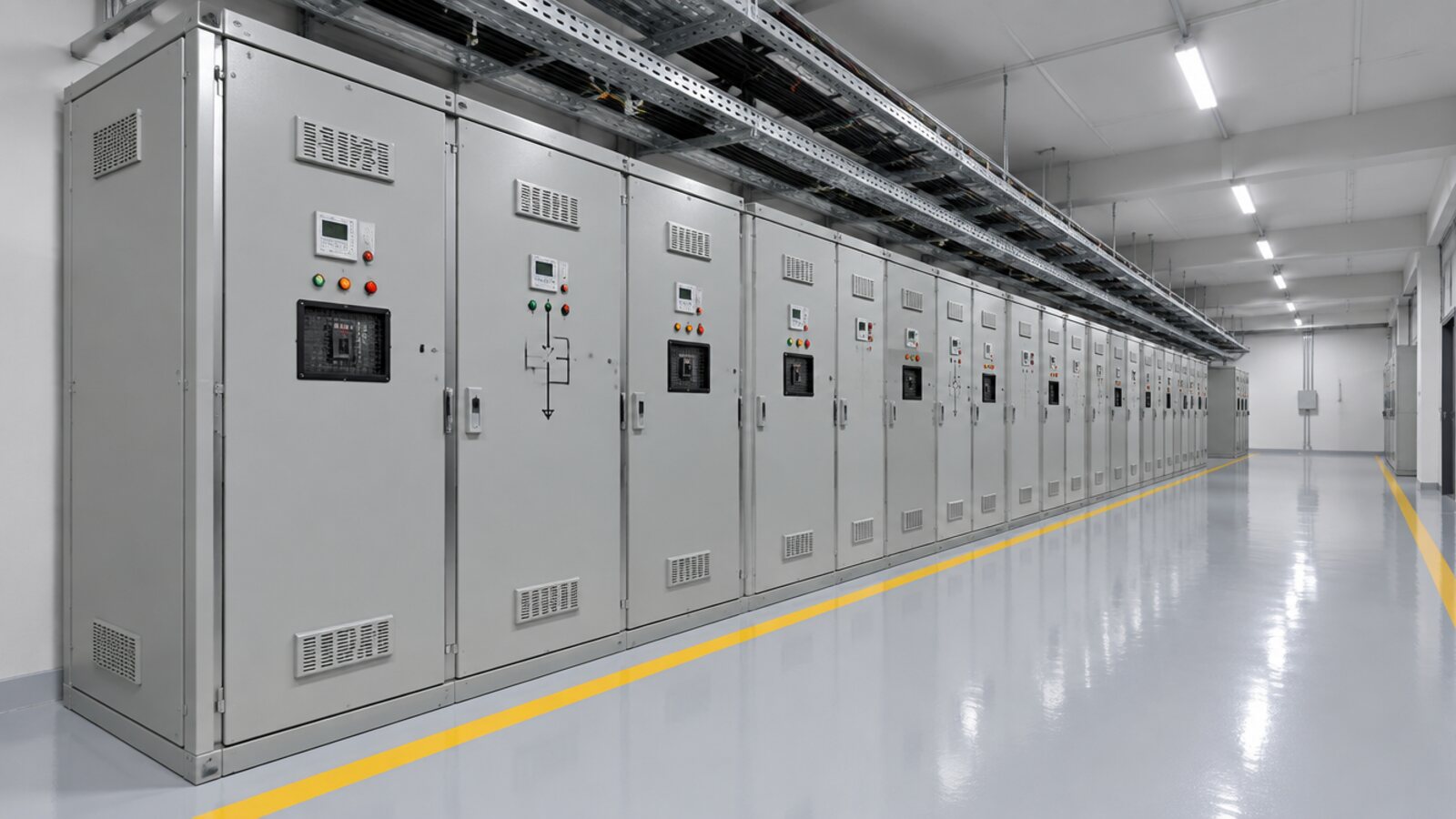
It is tempting to think of the infrastructure line as a hosting provider’s margin. It is not. A water-cooled site is a building full of heavy equipment — heat exchangers, dry coolers, pumps, pipework, manifolds and the electrical plant that feeds all of it — and every position in it was paid for before any machine was connected. A water-cooled machine cannot run on its own at all: it needs a pumping station, somewhere to reject its heat, manifolds to every position, three-phase power and treated coolant before it will even start. An air-cooled site needs racks, fans, filtered intakes and a way to throw away a great deal of heat. Immersion needs tanks and fluid.
None of that is free for anyone, and a price that leaves it out is not cheaper. It has simply moved the cost somewhere you cannot see it — usually into the power rate, where you pay it every month for as long as the machine runs.
Why the all-in number changes the ranking
Everything that matters about a purchase is measured against the all-in price, not the sticker. A payback clock starts when the money leaves your account, and all of it leaves — the freight and the duty as much as the box. A first-year return quoted against the box price alone flatters every machine, and it flatters the cheap ones most, because the flat costs are the largest share of their total.
So two machines with the same price per terahash in Hong Kong can land in very different places once they are delivered and running. The one with more hashrate per unit, the one that avoids duty at its destination, the one whose cooling fits the site you already have — each of those can move a machine up or down a ranking that looked settled on the spec sheet. That is why every return in our shop, and every payback figure in our field reports, is worked out against what the machine cost to get running, never against the box.
A return quoted against the box price is a return on money you have not finished spending.
What to ask about any price
Whoever you buy from, these are the questions that turn a sticker price into a real one.
Is that price delivered, and to where? Who pays the import duty, and at what rate? Who clears customs, and is their fee included? Where exactly will the machine be racked, and who paid for the rack, the loop or the tank? What does setup include, and what happens if the machine arrives with a fault? How much electricity is paid in advance, and what is it held against?
A seller who can answer all of those in one line each is giving you an all-in price. A seller who cannot is giving you the price of a box.
Disclosure
Firsthand Bitcoin sells and hosts mining hardware, including this machine. No manufacturer, distributor or affiliate programme paid for or reviewed this page and we take no commission on the links above. Historical figures are computed from daily bitcoin price and network hashprice, each day valued at its own prices. Nothing here is investment advice.