Home / Blog / How to think about mining
Guide · Sep 2, 2026 · 9 min read
Nobody sells the coins to pay the power bill
Run the same machine at the same site two ways and you end up in two different businesses. One sells a little bitcoin every day to cover the electricity. The other keeps every coin and pays for power some other way. Serious miners run the second.
Two businesses in one box
Picture two owners with identical machines racked side by side. Same site, same power price, same uptime. Every day each machine mines the same fraction of a bitcoin and burns the same electricity. On paper they made the same investment.
The first owner sells enough of each day’s bitcoin to cover that day’s power bill and keeps whatever is left. The second pays the power bill from somewhere else and keeps everything the machine mines. Both paid the power company exactly the same dollars. Three years later they do not own the same thing, and the gap between them has nothing to do with the machine.
The difference is entirely about when coins were sold, and at what price. And the first owner, without ever deciding to, has been selling at the worst prices available.
Same machine, same site, same coins. The only difference is what happens to them on the day they are mined.
The daily seller sells most when coins are cheapest
An electricity bill is written in dollars, and it does not care what bitcoin did today. Say a machine costs ten dollars a day to run. With bitcoin at $100,000 the daily seller parts with a ten-thousandth of a coin to pay it. With bitcoin at $50,000 it takes twice that. Same bill, twice the coins, at half the price.
Run that across a year of normal bitcoin volatility and a pattern falls out of the arithmetic: the daily seller disposes of a disproportionate share of the coins in the cheapest weeks, because those are the weeks each coin covers the least electricity. It is dollar-cost averaging run backwards. Someone who buys a fixed dollar amount every week picks up more coins when they are cheap. A miner who sells a fixed dollar amount every week gives away more coins when they are cheap.
It bites hardest in a weak market. The machine mines roughly as many coins as it did the month before, each one covers less of the bill, and the daily seller hands over a larger slice of the month’s output exactly when that output is worth least.
The price on the day a coin was mined does not matter
Once you stop selling, a strange and useful thing happens: the price of bitcoin on the day a coin was mined stops mattering at all. A coin mined in a slump and a coin mined in a rally are the same coin. They sit in the same wallet and they are worth the same amount this morning.
That changes what the right questions are. "What did my machine earn in dollars last March?" is a question about a sale that never happened. The questions that describe a keeper’s business are simpler: how many coins has the machine mined, what did the electricity cost in dollars, and what are those coins worth now.
It also tells you what a coin actually costs to make. If the coins are kept, the only money that ever leaves your pocket to produce one is the electricity. That is the cost of a bitcoin, and it is the number that compares directly with the price of buying one — which is why our cost-to-mine chart puts the two side by side.
For a miner who keeps the coins, there is only one price that matters: the one today.
Three ways to pay for power without selling
The obvious objection is that the electricity has to be paid for somehow. It does, and there are three ordinary ways to do it.
Out of income. The simplest, and the most common. A known monthly power bill is budgeted like any other running cost of an asset you own — the way a landlord pays for a building’s insurance out of cash rather than by selling a room.
Paid in advance to the site. Buy a block of electricity ahead of time, so the bill is settled before the month starts and a volatile week in the market never touches it. The hosting deposit on every quote in our shop is exactly this: electricity paid in advance and held against your bills.
Borrowed against the coins. Bitcoin can be pledged as collateral for a loan, which lets an owner pay the bill in dollars while the coins stay in the stack. It is a real tool and it has one real rule: borrow little enough that a severe fall in the price can never force the collateral to be sold. Lenders lend a fraction of what the coins are worth and ask for more collateral, or sell it, if the price falls far enough. The entire point of keeping the coins is not to be a forced seller, and an over-extended loan turns you into one at the worst possible moment.
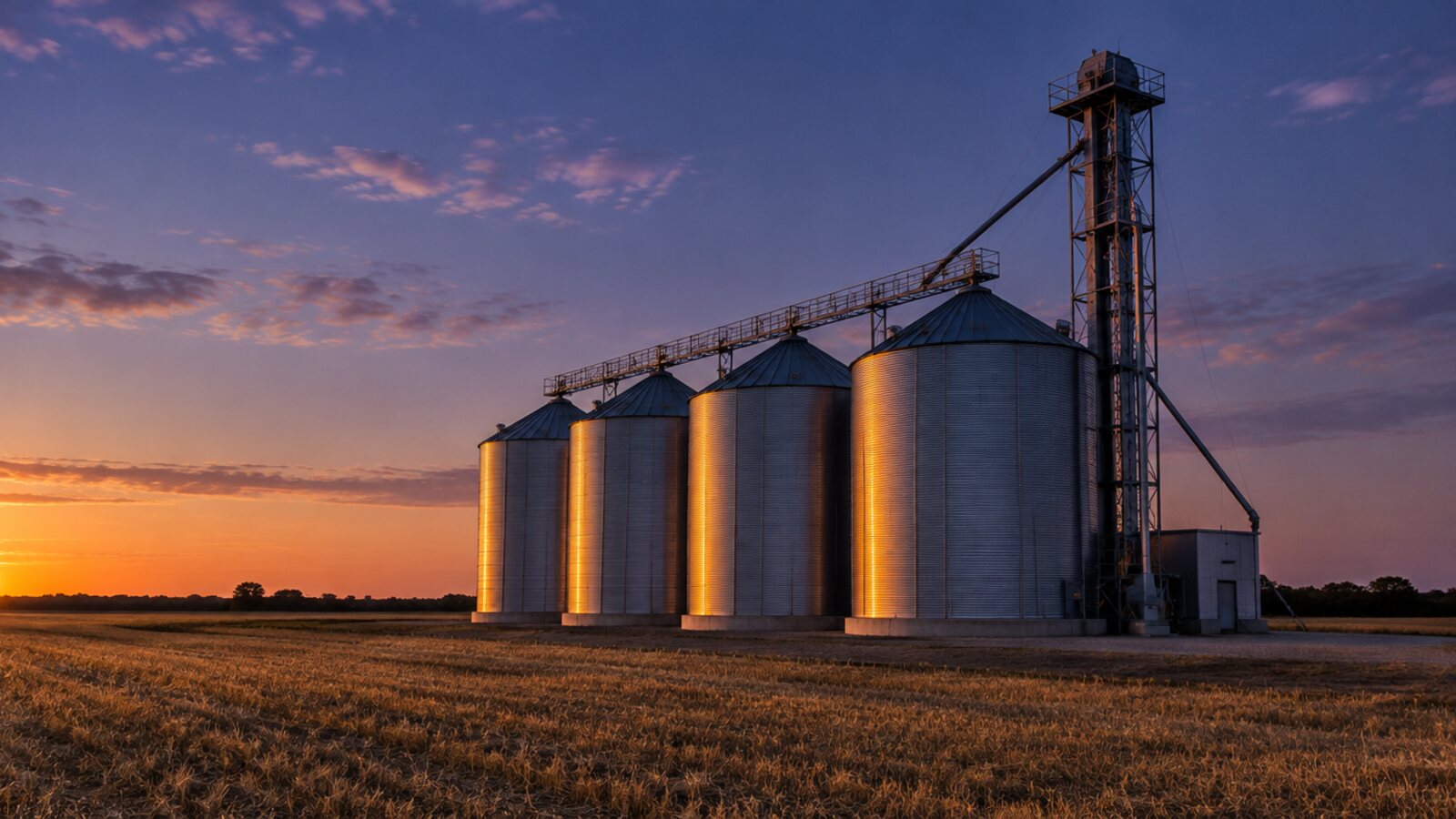
The farmer who stores the harvest
Farming has run this business model for as long as there have been farms. Grain comes off the fields all at once, every farm in the district is trying to sell in the same few weeks, and that crowd tends to set the weakest prices of the year.
So the farmers who can, store it. The grain goes into the silo, and the seed, fuel and wages that the next season needs are paid for out of savings or a seasonal operating loan. The crop is sold when the farmer chooses, not when the combine happens to empty.
A farmer forced to sell every load straight off the field takes whatever the busiest week of the year pays. A miner forced to sell every day’s coins to meet the power bill is in exactly the same position — except that this harvest arrives every ten minutes, all year round, so a forced seller is selling into every weak week there is.

Why it matters most across a halving
Roughly every four years the number of new bitcoin paid out per block halves. The four halvings so far came in November 2012, July 2016, May 2020 and April 2024, and the next is expected around April 2028. You can see where the clock stands on our halving page.
The months before a halving are the richest months in a machine’s life: the same hashrate earns roughly twice the coins it will earn the day after. The daily seller converts a large share of those coins into electricity at whatever the price is before the halving. The keeper holds them and values them at whatever the price is later.
After each of the four halvings so far, bitcoin went on to set a new all-time high within about a year and a half. That is history rather than a promise, the size of the move has shrunk from one cycle to the next, and nobody should mine on the assumption that any particular price arrives on any particular date. But it is the reason the pre-halving coins are the ones a miner should least want to sell, and the reason selling them to pay a power bill is the most expensive way there is to pay it.
What keeping the coins asks of you
None of this is free. Keeping every coin means the electricity has to be covered by something other than the coins, and that needs planning rather than hope.
In practice it asks for three things. A reserve that covers months of power rather than days, so a weak quarter never forces a sale. A power bill you understand in advance, which is the reason we price every site at a known rate per kilowatt-hour. And, if you borrow, borrowing at a level that survives the price halving, because bitcoin has more than halved from a peak several times in its history and will likely do so again.
Do those three things and the difference between a miner and a daily seller is simply that one of them owns more bitcoin.
How every figure on this site is written
This is why the numbers across our reviews and field reports look the way they do. Every one of them assumes that no coin is ever sold. The electricity is paid separately, the coins are kept, and a machine’s record is stated as three plain figures: the coins it has mined, the dollars of electricity it has burned, and what those coins are worth at today’s price.
Take the electricity away from the value of the coins and you have the cashflow the machine has produced. Divide the electricity by the coins and you have what each coin cost to make. The price of the machine itself never goes into either figure. It appears once, as the number of times over the cashflow has paid for the box — because a machine that is still running is not being sold, and marking it against its own output describes a liquidation nobody is doing.
It is also why we never show a machine’s record as a series of dollar sales at old prices. A keeper never made those sales, and a table of them would describe somebody else’s business.
The short version
A mining machine turns electricity into bitcoin. The electricity has to be paid for in dollars; the bitcoin does not have to be turned back into dollars to do it. Selling coins every day to meet the bill quietly sells the most coins at the lowest prices, and it gives up the pre-halving coins that have historically mattered most.
Pay the bill from income, pay it in advance, or borrow carefully against the stack. Then the only price of bitcoin that matters to you is the one on the day you decide — if you ever decide — to sell.
Pay for the power in dollars. Keep the coins in bitcoin.
Disclosure
Firsthand Bitcoin sells and hosts mining hardware, including this machine. No manufacturer, distributor or affiliate programme paid for or reviewed this page and we take no commission on the links above. Historical figures are computed from daily bitcoin price and network hashprice, each day valued at its own prices. Nothing here is investment advice.