Home / Blog / Bitmain Antminer S9
Field report · Aug 24, 2026 · 7 min read
The Antminer S9 was switched off in 2024. Its bitcoin never was.
Bought in the 2018 bear market, moved to cheaper power within months, and run until even 3.9¢ stopped paying. Every coin it made is still in the wallet — and they are the cheapest coins we have.
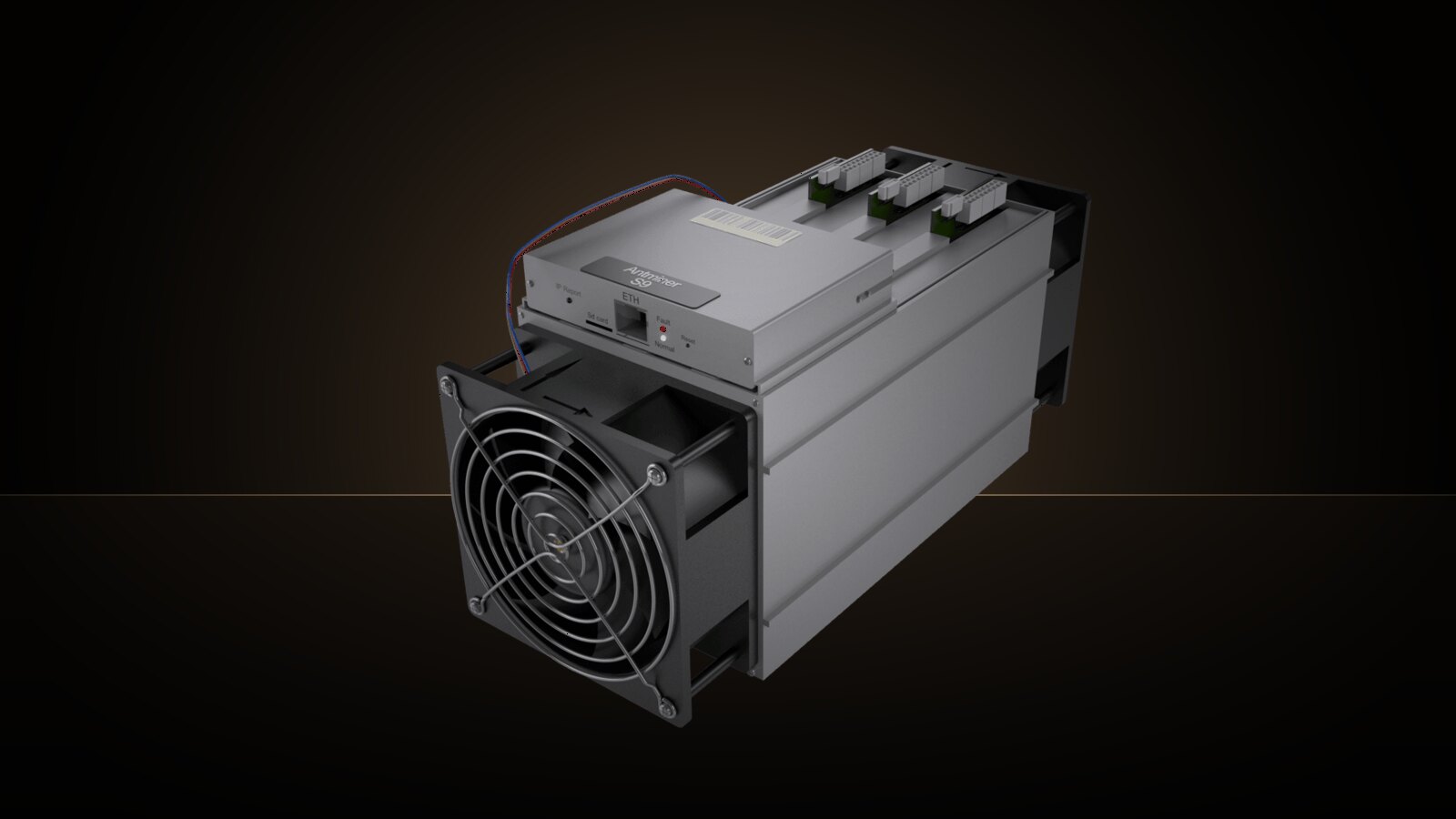
Bitmain Antminer S9 (13.5 TH/s)
The machine that built modern mining
Bitmain announced the Antminer S9 in May 2016: 16-nanometre chips, around 14 TH/s, about 98 joules for every terahash. For years afterwards it was simply what a bitcoin miner looked like — one of the most widely deployed machines the industry has ever built, and the one most of today’s large operators started on.
We bought ours in July 2018, with bitcoin deep in the 2018 bear market and the price of getting into mining at a low. The 13.5 TH/s unit cost $378; landed at our Argentina site with freight, duty, infrastructure and setup, it came to $1,310.
A 98 J/TH machine made the cheapest bitcoin in our wallet. When you mine matters as much as what you mine with.
The first two years did almost all of it
It spent 90 days in Argentina. On 18 October 2018 it moved to Nigeria, the moment 3.9¢ started paying better than 6¢ — early in its life, because a machine this hungry feels the power bill before anything else does.
Then it simply mined. Before the May 2020 halving it had put 0.2129 BTC in the wallet — 84% of every coin it would ever make. At today’s price those early coins alone are worth about $17,301, from a machine that cost $378.
Switched off, switched back on, switched off
The halving halved its output, and on 6 June 2020 we switched it off: at 98 J/TH, not even 3.9¢ covered its power any more. It did not sit in a corner for good. When the bull markets that followed pushed hashprice high enough, it came back on and mined again — and each time the numbers turned, it went quiet.
Even the box did well out of the bull market. In March 2021, with bitcoin running, the S9 we had bought for $378 was fetching $713 — 1.9× its price, after it had already mined 0.2234 BTC, worth $18,159 today.
That is what running an old machine properly looks like. It mines when it pays, stands still when it does not, and never mines a single day at a loss. After the April 2024 halving it was switched off for the last time, on 30 April 2024. Across its life it stood idle for 1,583 days, which is exactly why every coin it made was made at a profit.
The tally
Across 1,403 days of mining it kept 0.2546 BTC. The electricity came to $1,434 — about $5,633 a coin, the cheapest bitcoin of any machine we have written about. Those coins are worth $20,693 today.
Against a $1,310 landed cost that is $19,259 of cashflow — 14.7× its hardware, from a machine that has been off since 2024. Not one sat was sold to pay for power; the stack is intact.
What 98 J/TH looks like next to today
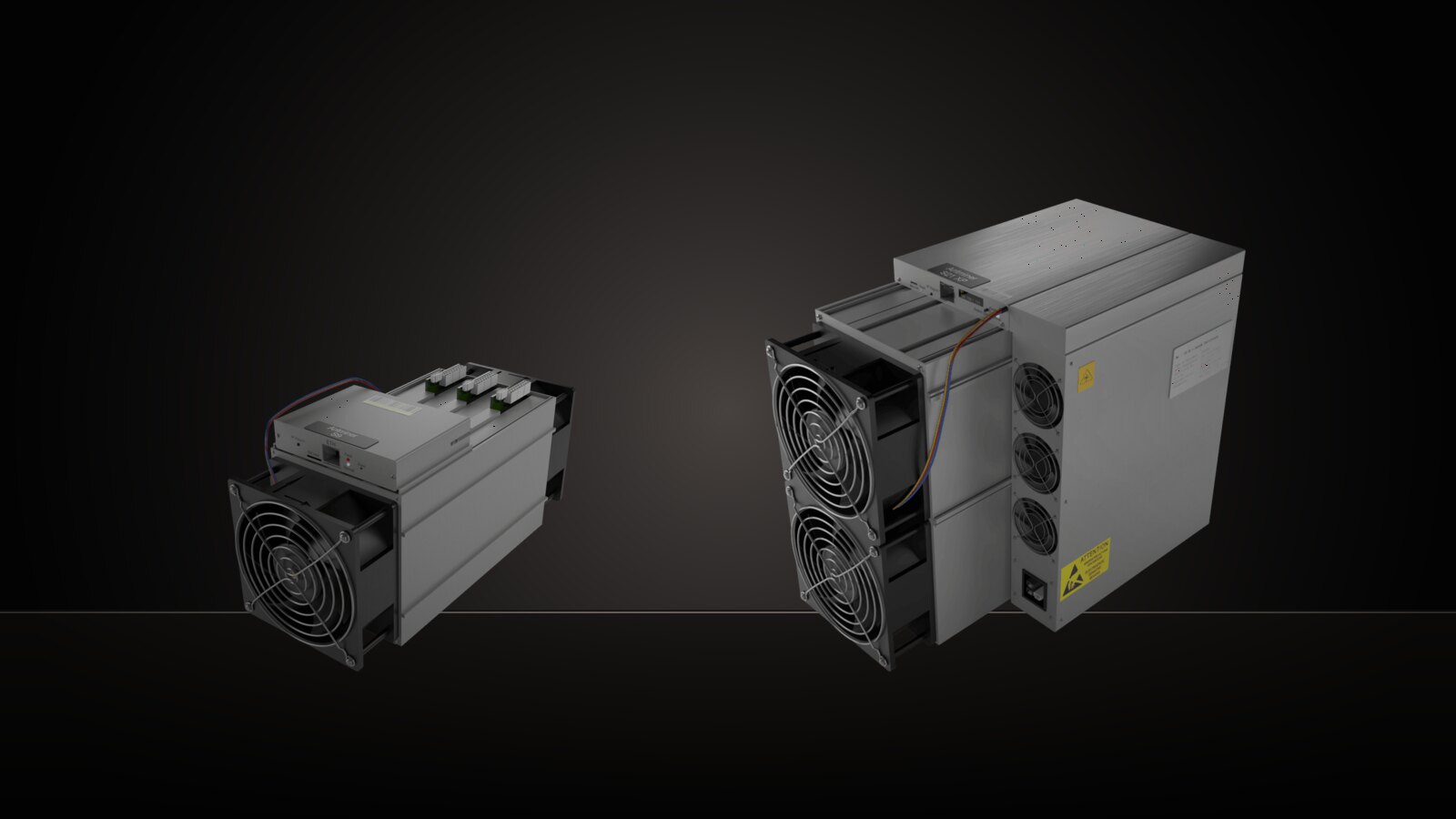
An Antminer S21 XP does 270 TH/s at 13.5 J/TH — twenty times the hashrate of the S9 at a seventh of the power per terahash. By any hardware measure the S9 is a relic.
And yet its coins are the cheapest in our wallet, because of when they were mined. A terahash in 2018 earned vastly more bitcoin than a terahash does today, and a machine that turned cheap electricity into coins while the network was a fraction of its present size made coins that no modern machine can make at any price.
What it tells you about today
Two lessons carry straight across to anything you would buy now. The first is that the coins mined early do most of the work — the months before a halving, and the years before the network grows, are worth more than the rest put together. Owners were arguing about the S9’s payback at the time; the answer turned out to be in the coins, not the payback date.
The second is that a machine’s working life ends and its coins do not. The S9 is switched off. Its bitcoin is not, and at today’s price it has returned its hardware many times over. That is the whole case for treating machines as the roof, not the building.
Sources and further reading
- Bitmain’s Antminer S9 announced at 14 TH/s using 16nm ASICs — Bitcointalk, May 2016
- ROI discussion: Bitmain’s released Antminer S9 — Bitcointalk, 2017
Which machines this covers
Disclosure
Firsthand Bitcoin sells and hosts mining hardware, including this machine. No manufacturer, distributor or affiliate programme paid for or reviewed this page and we take no commission on the links above. Historical figures are computed from daily bitcoin price and network hashprice, each day valued at its own prices. Nothing here is investment advice.