Home / Blog / Bitmain Antminer S19
Field report · Sep 16, 2026 · 7 min read
Six years in, the original Antminer S19 still knows when to switch itself on
Bought in the summer of 2020, run through the 2021 bull market, moved to Nigeria in 2022 — and still mining on the days the numbers say it should.
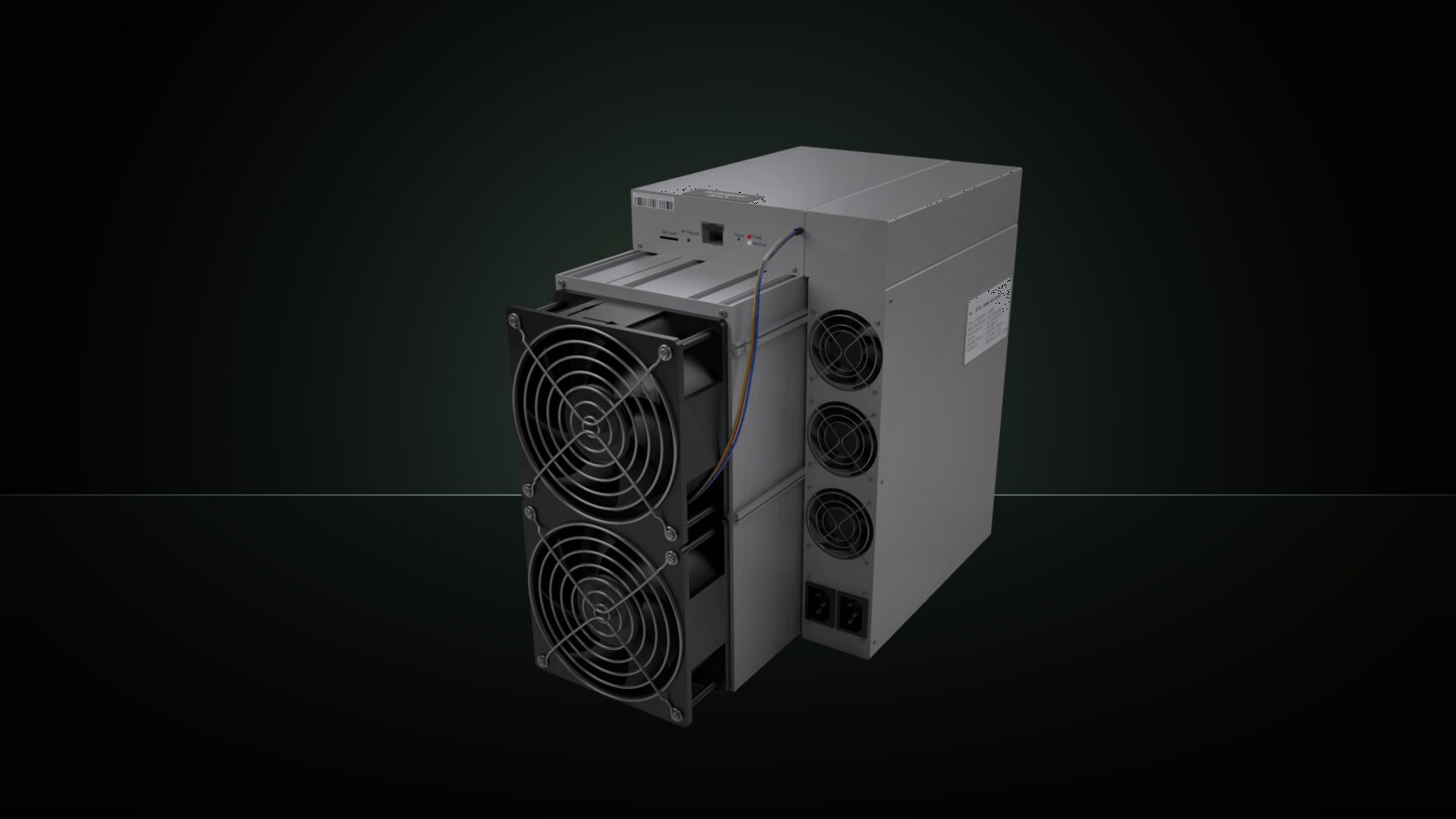
Bitmain Antminer S19 (95 TH/s)
Launched into a halving
The Antminer S19 arrived in May 2020, the same month the block subsidy halved to 6.25 BTC. The base model does 95 TH/s at about 34 J/TH — the machine that defined the generation the rest of the S19 family was built on, and the one owners were still asking setup questions about years later.
We bought ours in August 2020 at $2,504, landed at our Argentina site for $4,180.
The bull run on a 98% site
It could not have arrived at a better moment. It spent 90 days in Argentina, straight through the 2021 bull market, and at better than 98% uptime nearly every one of those days turned into coins at a time when a terahash still earned a great deal of bitcoin.
By the time the market turned, the machine had done the bulk of its life’s work. On 2 November 2020 it moved to Nigeria, as soon as 3.9¢ started paying better than Argentina’s uptime.
It spent the best two years the network had seen on a site with better than 98% uptime. That is where most of its coins came from.
Seven months to 4.5× its price
The S19 arrived just before the 2021 bull run, and the market for the machines themselves went with it. By March 2021 — seven months after we bought ours for $2,504 — a used S19 was fetching $11,329, 4.5× its price.
Sell it there and you would have banked 0.1299 BTC of mining, worth $10,557 today, plus $11,329 for the box: $21,886, or 5.2× the landed cost, in seven months. Or sell it and buy the next generation with the proceeds — exactly the replace-the-roof move a well-run operation makes at the top of a cycle.
We kept it, and kept mining. Both routes turned a $2,504 machine into many times its price; the only thing that mattered was owning one going into the run.
Seven months after we bought it, the same machine was worth 4.5× what we paid. It had mined the whole time.
Switching itself on
Six years in, 34 J/TH lives close to the line at 3.9¢. On 25 February 2026 it was switched off for the first time, when nothing we host covered its power for a month. It did not stay off: when the margin came back it went back on, and it has worked that way since — mining the days that pay, standing still on the days that do not.
That is the part that surprises people about old hardware. A machine at the edge of profitability is not finished; it is a machine you run on the days it earns. Owners who tune these machines are chasing the same thing from the other direction — a little more efficiency, a few more profitable days.
The tally
Across 2,101 days of mining it has kept 0.5625 BTC for $6,659 of electricity — about $11,838 a coin. Those coins are worth $45,713 today.
Against a $4,180 landed cost, that is $39,054 of cashflow — 9.3× its hardware, and it is still running.
What the original S19 says about its descendants
The S19 family went on to much better machines on the same idea — the S19 XP Hyd made the cheapest coin of its generation, and the S21 that followed it halved the power per terahash again.
But the original is the proof of the pattern. Bought at the start of a cycle, run through the bull market on a high-uptime site, moved to cheap power when the market turned, and still earning on its good days six years later: that is the life we plan for every machine we rack, and the S19 has lived all of it.
Sources and further reading
- What do I need for Bitmain Antminer S19-95TH/S setup? — Bitcointalk, 2021
- Antminer S19 custom performance settings; alternative firmware? — Bitcointalk, 2021
Which machines this covers
Disclosure
Firsthand Bitcoin sells and hosts mining hardware, including this machine. No manufacturer, distributor or affiliate programme paid for or reviewed this page and we take no commission on the links above. Historical figures are computed from daily bitcoin price and network hashprice, each day valued at its own prices. Nothing here is investment advice.