Home / Blog / Bitmain Antminer S19e XP Hyd
Field report · Sep 29, 2026 · 5 min read
The Antminer S19e XP Hyd was less efficient than the S19 XP Hyd it was named for
Bitmain put it on sale in May 2024, just over two years after the S19 XP Hyd — and gave it a worse efficiency number, 22 J/TH against 20.8. We bought one once the price had settled, ran it at our water site, and it crossed to cheap power in Nigeria before it had spent a year there.
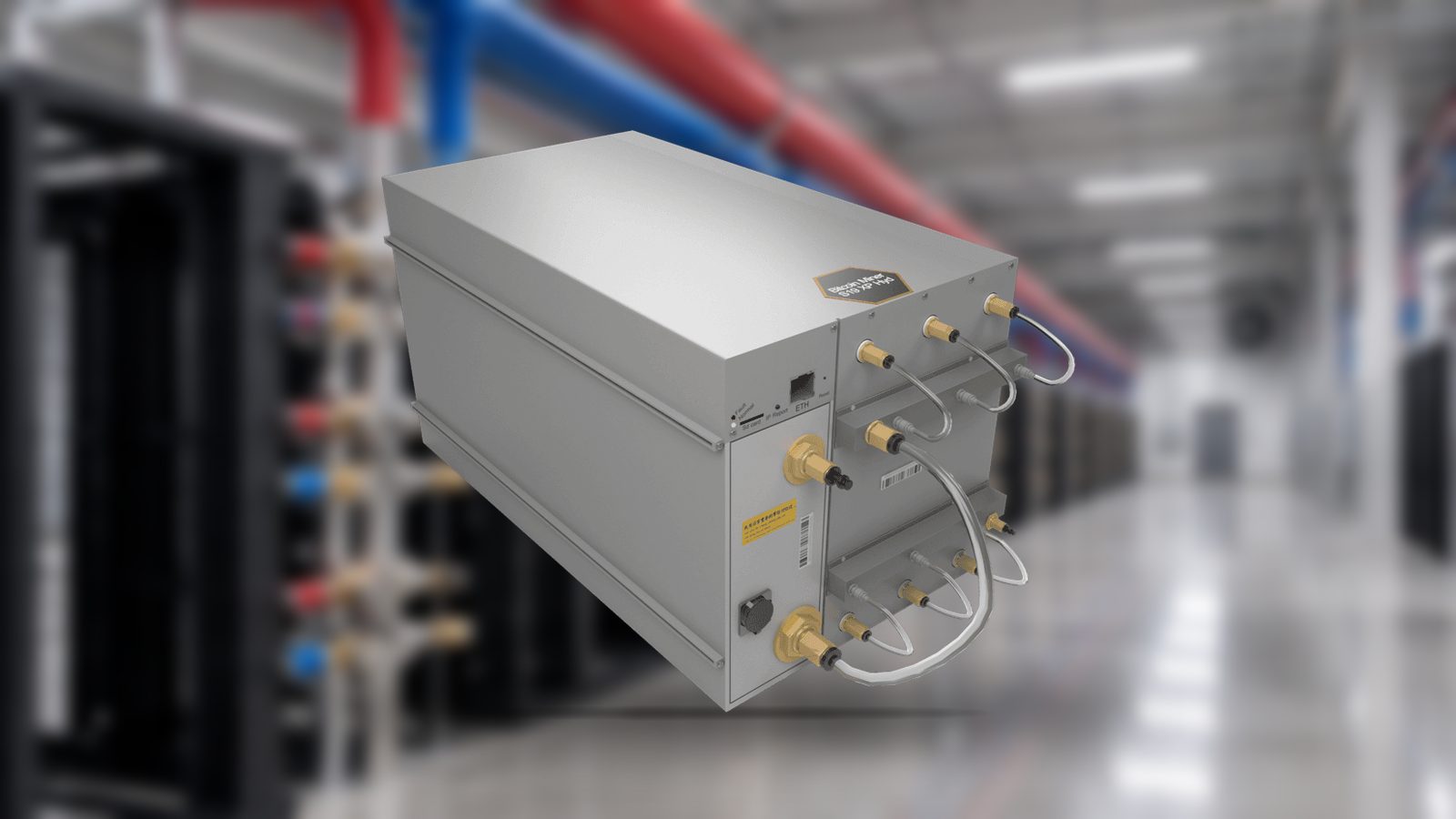
Bitmain Antminer S19e XP Hyd (251 TH/s)
A newer machine, an older number
Bitmain announced the Antminer S19e XP Hyd on 23 May 2024: 251 TH/s from a 5,522 W draw, 22 J/TH. That put it just over two years behind its own name. The S19 XP Hyd had gone on sale in March 2022 at 20.8 J/TH — a better number, from a machine two years older. Eight months before the S19e arrived, Bitmain's own S21 Hyd had already shipped at 16 J/TH. Whichever way the catalogue was read in May 2024, the S19e XP Hyd was not the efficient choice on the shelf.
We did not buy it at launch. We waited for the price to settle and bought one in February 2025 at $2,547 — landed at our UAE water site, next to Bitmain's regional warranty centre, the all-in came to $3,952, 55% more than the machine alone. The sticker price was never the real number; the settled one is.
The market kept handing out better entries after ours. By the end of 2025 the same machine had an entry price under a third of what we paid — a better door in for whoever bought then, not a mark against what we paid in February. Today's list price is $798, the number anyone reading this would actually pay.
Bitmain's own 2022 hydro miner already did the job for less power than the one it sold us in 2024.
Water-cooled, and worth it only at scale
Hydro machines are not a DIY project. As one operator put it on Bitcointalk after pricing a batch of Bitmain hydro units, "hydro cooling is not as simple as running air-cooler miner, the cooling efficiency is a lot better but it comes at an expensive cost to set up the right infrastructure... I think hydro cooling is better suited for larger operations where you have one huge setup that connects a dozen of them." That is the loop, the manifolds and the pumping station our UAE site carries so an owner never has to.
The practical upside of hosting it in the UAE is proximity: an in-warranty board fault goes straight to Bitmain's regional centre next door, which is a line item, not a catastrophe for an owner. That proximity is part of what a water-cooled machine's early years are actually buying — a fact worth knowing before a fault happens, not after.
The move itself came with its own infrastructure line. Nigeria's site requires a backup power supply that the UAE site does not, so the crossing was not just freight and downtime — it was one more thing to install before the machine could hash again.
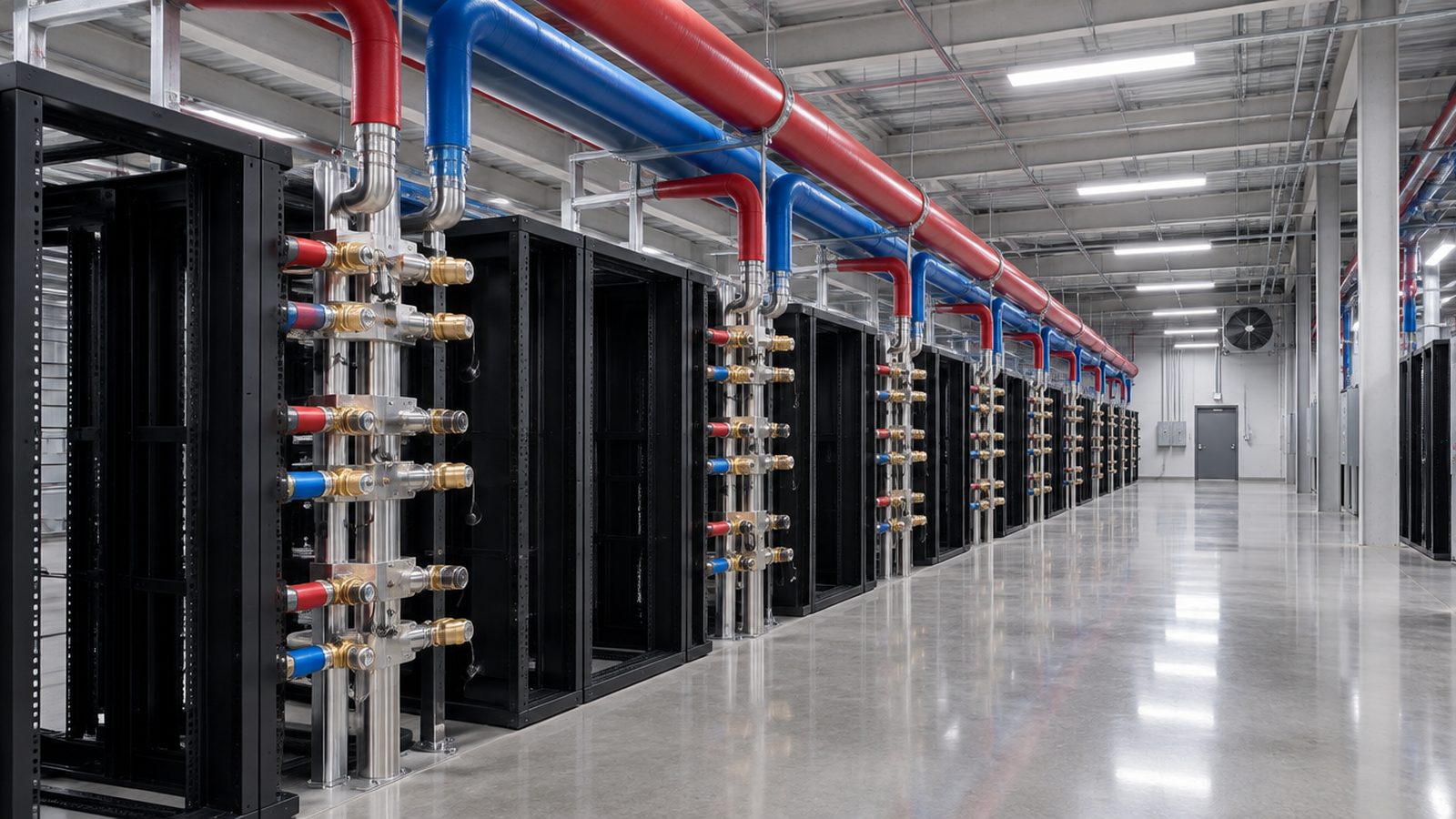
Crossed to Nigeria before it turned one
It ran 361 days at 6¢ in the UAE, from 27 February 2025 to February 2026. That is the one crossing it would ever make: on 26 February 2026, once a full trailing year of its own figures said Nigeria's cheaper power had become decisively the better home, it went. It has been there 216 days since.
A 5,522 W machine has more absolute electricity bill riding on the rate than a lean one does, so the gap between 6¢ and 3.9¢ compounds faster on it in dollar terms. Efficiency decides how many halvings a machine survives; it also decides how long a machine gets to enjoy the expensive site's uptime before the cheap site's power bill wins the argument. A leaner machine in the same rack would likely have stayed in the UAE longer.
The site makes the difference plain in today's numbers. At 3.9¢ the S19e XP Hyd makes a coin for about $47,000 of electricity, with a first-year return around 44% on a unit racked there today. At 6¢ the same box would spend about $72,400 on every coin — which is why it is not at 6¢ any more.
A thirstier machine has more to gain from cheap power — so the trailing year tipped for this one sooner than it does for a leaner box.
The tally
Across 577 days it has mined and kept 0.0623 BTC for $3,995 of electricity — $64,093 a coin, averaged over its life so far. That lifetime figure blends the pricier UAE months with the cheaper Nigeria ones; it is not what a coin costs it today, which depends on which site it is racked at.
Valued at today's price, those coins less every dollar of power come to $1,269 of cashflow against a $3,952 landed cost — 0.3× its own hardware. That is a modest number for a machine still short of two years into a four-year life, not a poor one: between now and the April 2028 halving it has about 0.050 BTC still in it at today's difficulty, worth roughly $6,239 with bitcoin back at its previous high of $124,493 — 1.9× its hardware by the halving, still running at the end of it.
What we would tell ourselves
Buy the more efficient machine when the price lets you. The S19 XP Hyd made the cheapest coin of its whole generation on 20.8 J/TH; ours needed more power to do the same job, and the crossing date is where that shows up — a leaner machine earns the expensive site's uptime for longer before cheap power wins the argument.
The entry price still did real work. $2,547 in February 2025, not whatever the sticker read in May 2024, is why the numbers above work at all — the settled price, not the launch one, is the number that decides the return. A less efficient chip bought cheaply enough is still a working machine; it simply has less room for error, and less time at the good site, than a better one would.
If you are buying now, buy the efficiency the current catalogue actually offers. Every machine below makes a bitcoin for less electricity than 22 J/TH does.
A less efficient chip bought cheaply enough still works. It just gets less time at the good site.
- Bitmain Antminer S23 Hyd (563 TH/s) — 9.5 J/TH, In stock, $31,286 of electricity per bitcoin, 27% year one
- Bitmain Antminer S21j XP Hyd (495 TH/s) — 12 J/TH, In stock, $39,373 of electricity per bitcoin, 42% year one
- Bitdeer SealMiner A3 Pro Hyd (666 TH/s) — 12.5 J/TH, In stock, $40,631 of electricity per bitcoin, 33% year one
What people are saying online
hydro cooling is not as simple as running air-cooler miner, the cooling efficiency is a lot better but it comes at an expensive cost to set up the right infrastructure... I think hydro cooling is better suited for larger operations where you have one huge setup that connects a dozen of them.
An operator pricing a batch of Bitmain hydro units, on why hydro cooling rewards scale rather than a garage setup.
Sources and further reading
- Bitmain unveils the Antminer S19 XP Hyd, a liquid-cooled Bitcoin miner — ForkLog, March 2022
Which machines this covers
- Bitmain Antminer S19e XP Hyd (251 TH/s)
- Bitmain Antminer S19e XP Hyd (240 TH/s)
- Bitmain Antminer S19e XP Hyd (230 TH/s)
Disclosure
Firsthand Bitcoin sells and hosts mining hardware, including this machine. No manufacturer, distributor or affiliate programme paid for or reviewed this page and we take no commission on the links above. Historical figures are computed from daily bitcoin price and network hashprice, each day valued at its own prices. Nothing here is investment advice.