Field report · Nov 21, 2026 · 5 min read
The Innosilicon T3+ mined as much bitcoin in its first 255 days as in 713 days of the bull run
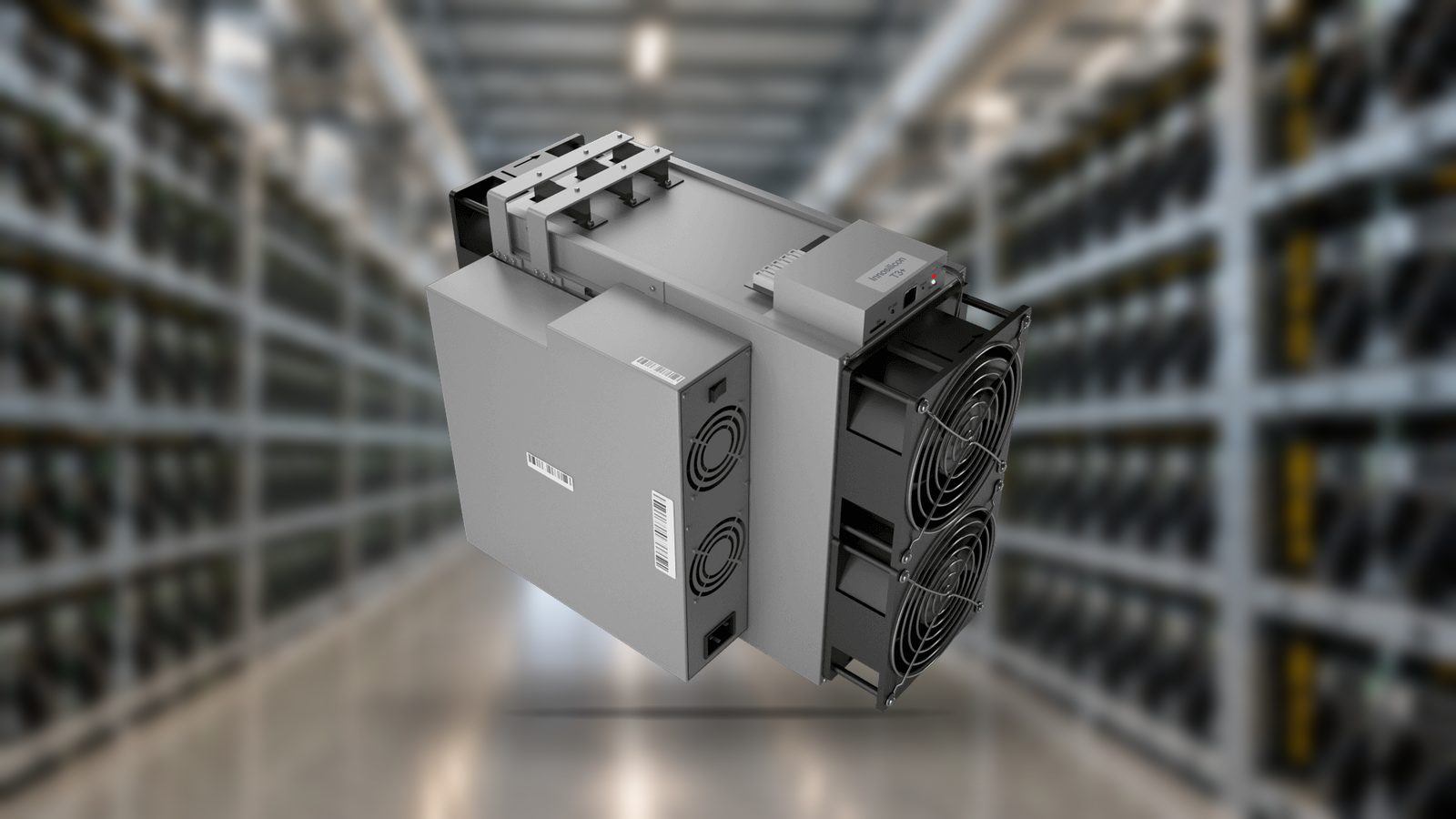
Bought in October 2019, seven months before a halving, Innosilicon's 52 TH/s T3+ banked as much bitcoin before the summer of 2020 as it later mined across two years of the bull run and the fall that followed. Every BTC was kept, and the early ones did the heavy lifting.
TL;DR
- Bought on 21 October 2019 for $1,249 and landed in Argentina at $2,111, seven months before the 2020 halving.
- Its first 255 days mined as much bitcoin as the 713 days from October 2020 to October 2022.
- Switched off twice in 2020 after the halving, then ran the whole bull run in Argentina and crossed to Nigeria on 20 February 2023.
- Kept 0.4905 BTC for $5,529 of electricity: $24,831 of cashflow, 11.8× its box.
A 52 TH/s machine bought at 12.5 BTC a block
The T3+ was Innosilicon's air-cooled bitcoin machine of 2019. Our store record gives this bin 52 TH/s from 2,800 W, which is 53.85 J/TH, in a 10 kg case rated for intake air between 5 and 45 °C.
Ours was bought on 21 October 2019 for $1,249 and landed in Argentina at $2,111, freight, duty and setup included. Bitcoin closed at $8,186 that day, every block still paid 12.5 bitcoin, and a petahash of hashrate earned 0.0174 BTC a day, worth about $142.
That figure is the whole story of this machine in one line. On 21 November 2026 a petahash earns about 0.00047 BTC a day, roughly a thirty-seventh of what it earned the week the T3+ started.
The first 255 days carried the machine
From 21 October 2019 to 1 July 2020 the T3+ ran for 255 days without a stop. Over that stretch a petahash earned an average of 0.0163 BTC a day, and the machine banked 0.1887 BTC before the halving alone, 38% of everything it would mine in its life.
Later it ran 713 days straight in Argentina, from 29 October 2020 to 11 October 2022, through the whole 2021 bull market. Over those days a petahash earned an average of 0.0058 BTC a day, about a third as much. The two stretches produced almost exactly the same amount of bitcoin.
The hashrate did not change. The halving and a network that grew from 94 EH/s to 276 EH/s did. That is why the first months of a machine's life are the cheapest bitcoin it will ever make, and why nobody sells them to pay the power: valued at today's price, the pre-halving BTC alone are worth $11,682.
Its first 255 days mined as much bitcoin as the 713 days of the bull run.
The 2020 halving put it right on its line
Block 630,000 was mined on 11 May 2020 and cut the subsidy from 12.5 to 6.25 BTC. On our hashprice chart a petahash earned $169.75 a day on 10 May and $86.35 on 11 May.
A petahash of T3+ draws 53.85 kW, so a day of it at Argentina's 5.75¢ costs about $74. On 1 July 2020 hashprice stood at $73.84, a few cents under that line, and on 1 July 2020 the machine was switched off.
It stayed close to the line for the rest of the year. It came back on 5 August, when hashprice reached $98, ran 50 days, stopped again on 23 September, and restarted on 29 October at $122.61. It did not stop again for 713 days. Efficiency decides how much of a halving a machine can absorb, and at 53.85 J/TH the answer was: just enough.
Two years of bull run at 5.75¢
From late October 2020 the T3+ mined in Argentina without a break. Hashprice climbed past its line by a wide margin and peaked at $412.85 a petahash on 20 October 2021, more than five times the machine's power cost that day.
It ran on through the 2022 fall. On 10 October 2022 hashprice dipped under the $74 line for the first time in two years. The next day it was $67.87, and the machine was switched off again. A 53.85 J/TH machine had outlived 5.75¢ power. It still had a move left.
One chip, and the air it breathes
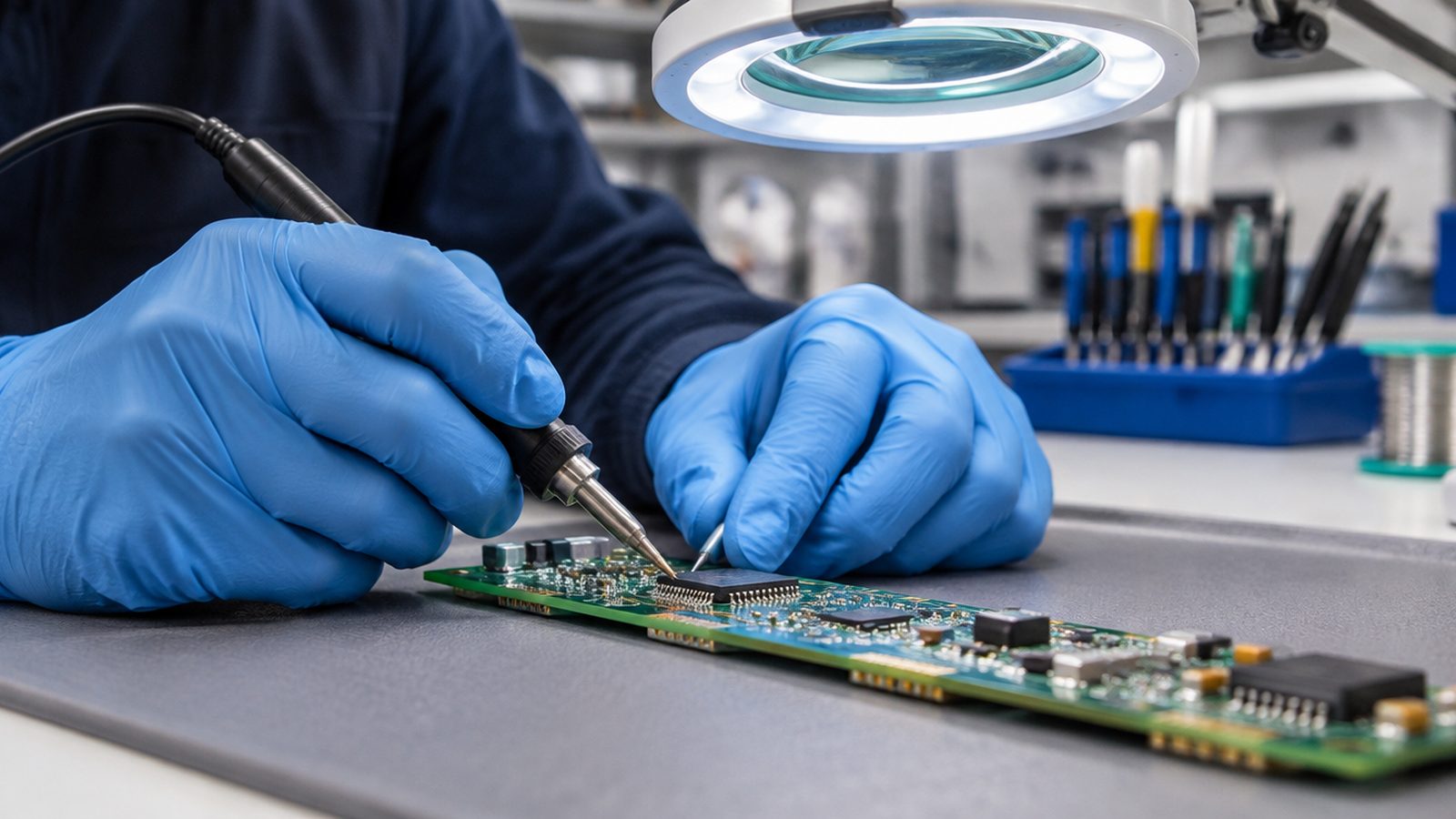
The T3+'s weak point is well documented. After a power cut and a humid spell, one operator on Bitcointalk reported losing around 30 T3+ hashboards at once, and wrote that the boards had almost all failed on the same chip, a small boost converter. Another member pointed to the dust on the boards and noted the chip is replaceable.
That is a repair, not a write-off. Hosted with us in Argentina, a fault like this is billed at the cost of the parts, and clean, dry intake air is the site’s side of keeping it rare. The record says nothing worse about the build than that.
Nigeria, from February 2023
On 20 February 2023 the T3+ restarted in Nigeria. It is the one crossing a machine makes: at 3.9¢ the same petahash costs about $50 a day in power instead of $74, and hashprice was $80.54 that day.
It ran 458 days there without a stop, through the 2024 halving, until 22 May 2024, when hashprice had fallen to $55.71 and its trailing month no longer paid. After that it ran in shorter spells, each time the trailing month briefly cleared its line again: June 2024, from November 2024 to March 2025, and from May 2025.
Its last day of mining was 24 September 2025, with hashprice at $50.19, just under its Nigeria line, and it has been retired since 25 September 2025. A machine is retired when it is off today. Its bitcoin never is.
The tally: 0.4905 BTC for $5,529 of electricity
Over 1,735 running days the T3+ mined and kept 0.4905 BTC for $5,529 of electricity: $11,271 one BTC, averaged over its life. At today's price those BTC are worth $30,360.
That is $24,831 of cashflow against a $2,111 landed cost, 11.8× its box. 99% of those BTC were mined before the April 2024 halving.
The lifetime average describes a machine that met most of its blocks at 12.5 and 6.25 BTC. At today's difficulty one BTC from a T3+ in Nigeria would take about $112,600 of electricity, against a bitcoin at $59,857, which is why it stays off.
11.8× its box, from a machine that stood on its power line the summer it was a year old.
What the T3+ says about buying now
The early months paid for this machine, and that is repeatable: a machine earns the most bitcoin per terahash at the start of its life, before the network grows past it and before the next halving. The way to keep those months is to buy a machine efficient enough to stay on afterwards.
At 53.85 J/TH the T3+ survived one halving by a few cents and the next by moving to cheaper power. An air-cooled Antminer S21 XP needs 13.5 J/TH, a quarter of the power for every terahash, and makes one BTC in Nigeria for about $28,200 of electricity today.
The April 2028 halving is the next test. A machine bought for it should be able to lose half its subsidy and still clear 3.9¢, with its first months banked before it does. Every BTC the T3+ made is still kept.
- MicroBT Whatsminer M74S+ (332 TH/s) — 12 J/TH, In stock, $25,098 of electricity per bitcoin, 21% year one
- MicroBT Whatsminer M73S (560 TH/s) — 13 J/TH, In stock, $27,190 of electricity per bitcoin, 24% year one
- MicroBT Whatsminer M7DS (672 TH/s) — 13.5 J/TH, In stock, $28,236 of electricity per bitcoin, 26% year one
What people are saying online
The hashboards almost all had the same chip blown.
An operator who lost around 30 T3+ hashboards after a power cut and a humid spell found nearly all had failed on the same boost-converter chip, a replaceable part.
Sources and further reading
- Bitcoin records its third-ever block reward halving — The Block, 11 May 2020
- Innosilicon T3 hashboard repair (operator thread) — Bitcointalk, April 2022
Which machines this covers
Disclosure
Firsthand Bitcoin sells and hosts mining hardware, including this machine. No manufacturer, distributor or affiliate programme paid for or reviewed this page and we take no commission on the links above. Historical figures are computed from daily bitcoin price and network hashprice, each day valued at its own prices. Nothing here is investment advice.