Home / Blog / Bitmain Antminer S19 Pro+ Hyd
Field report · Oct 11, 2026 · 4 min read
Bought ten weeks before bitcoin's 2022 low, the Antminer S19 Pro+ Hyd has now run four years
The first water-cooled S19 we bought started with bitcoin at $21,610 and watched it fall to $15,930. It kept every coin through that winter, a halving and a month switched off, and most of the coins it has made came in its first two years.
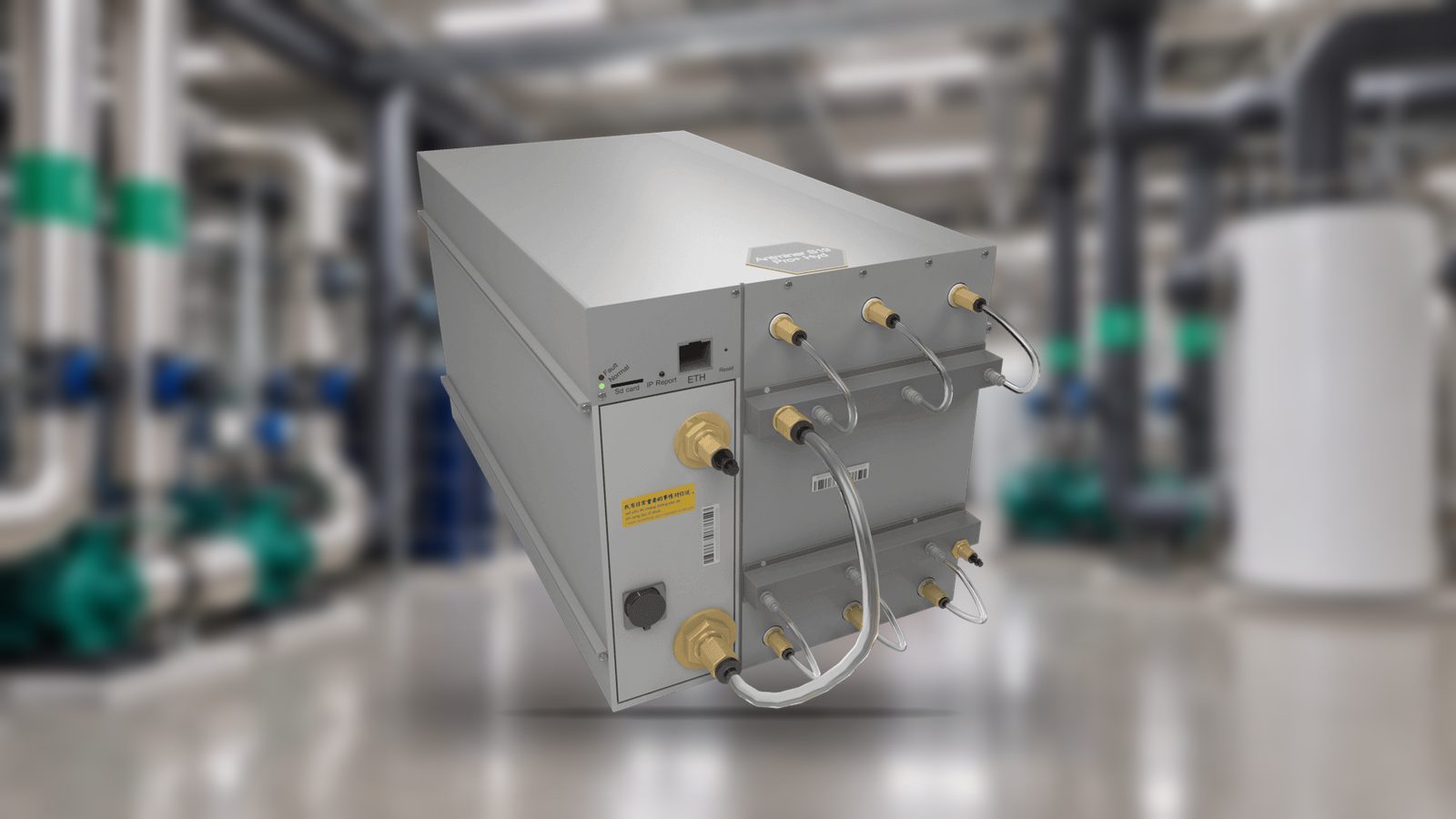
Bitmain Antminer S19 Pro+ Hyd (191 TH/s)
The first water-cooled S19, in the bin below the headline
Bitmain unveiled the S19 Pro+ Hyd in January 2022 at 198 TH/s and 27.5 J/TH from 5,445 W, with shipments promised from May to September, as Bitcoin.com reported on 23 January 2022. That was 41% more hashrate than the air-cooled S19 XP, which was then the efficiency leader at 140 TH/s. Ours is the 191 TH/s bin, drawing 5,252 W, at the same 27.5 J/TH.
We bought one in September 2022, at $5,184, and landed it in the UAE for $6,852. Hydro machines start there: the water plant is on site and the manufacturer’s warranty centre is a short drive away.
On 11 September 2022 bitcoin closed at $21,610 and the network was paying about $89 per petahash of hashrate a day, the figure our hashprice chart tracks. It was the middle of a bear market.
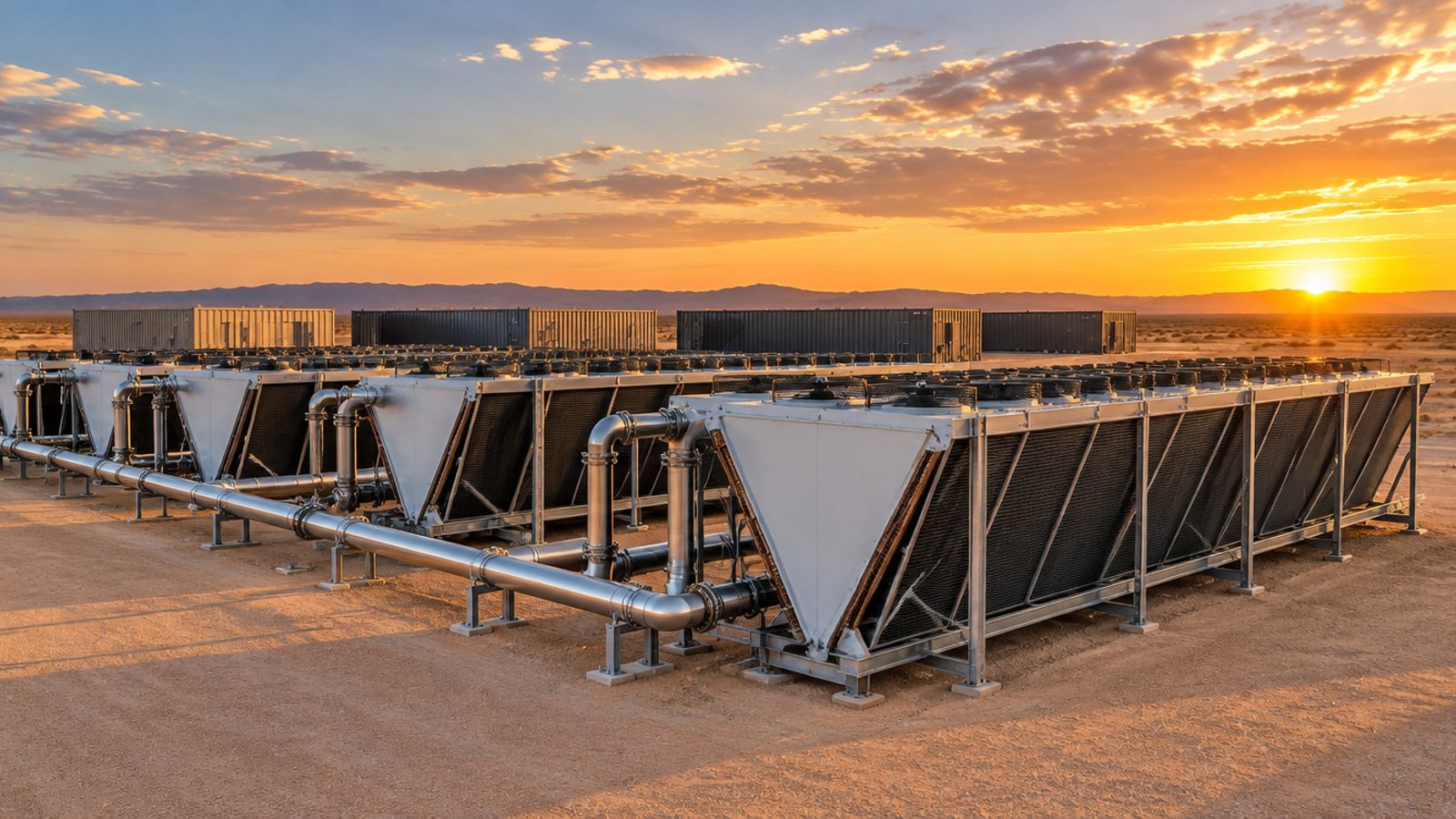
Ten weeks in, bitcoin made its low and the machine kept going
Bitcoin closed at $15,930 on 22 November 2022, the lowest close in our series between the end of 2021 and the start of 2024. Hashprice touched $55.86 a day the day before, down from $89 at the purchase. At the UAE’s rate the machine still cleared $107 over its electricity in November, and $110 in December.
It mined about 0.02 BTC a month through that winter, and every coin was kept. That is the part a dollar chart hides: nobody sells the coins to pay the power bill, so the price on the day a coin was mined does not matter. The coins it made in the cheapest weeks of the cycle are valued today at $83,016.
The low came ten weeks after the purchase. The machine cleared its power that month too.
Most of its coins came before the halving
It had been hashing for 587 days when block 840,000 arrived on 20 April 2024 and the subsidy fell from 6.25 to 3.125 bitcoin. In those days it mined 0.2981 BTC, 79% of its lifetime total, and it was clearing about $6.46 a day over its electricity.
The month after, it mined 0.0047 BTC against 0.0082 in April, and the daily margin dropped to about $2.02. The machine had not changed. The line it had to clear had moved, which is what efficiency decides: a 27.5 J/TH machine feels a halving sooner than a 16 J/TH one.
The first 587 days mined 79% of everything it has made, from 40% of its life so far.
A month switched off, then back on
By August 2024 hashprice had slid until the margin over the UAE’s electricity for the whole month was a couple of dollars. On 8 September it stood at $38.67 a day against $88.63 at the purchase, and from 8 September 2024 the machine was switched off for 28 days, with bitcoin at $54,368.
It went back on on 7 October, with bitcoin at $63,367 and hashprice at $46.01. The coins it had already mined stayed where they were, and nothing was sold to cover the gap. The S19 Pro Hyd, a less efficient sibling, sat out twice as long. A machine that no site can pay for is switched off rather than mined at a loss, and the month is the whole cost.
Nigeria, February 2025, and the cost of a coin since
On 14 February 2025 it crossed to Nigeria, with bitcoin at $97,099 that day. It is the one crossing it will make: a machine goes to cheap power once, when a trailing year of its own figures says the move pays decisively. It has been there for 605 days.
The site is most of the story for a machine at this efficiency. Today a coin from it costs about $58,900 in Nigerian electricity, against bitcoin at $83,016. The same box at UAE rates would spend about $90,600 a coin, which is why it has one home on cheap power and not two.
The tally after 1,464 days
In 1,464 days it has mined and kept 0.3764 BTC for $9,417 of electricity, $25,022 a coin averaged over its life. That lifetime figure is flattered by the first two years; today’s cost per coin is the one to plan on.
Valued at today’s price, those coins less every dollar of power come to $21,655 of cashflow on a $6,852 landed cost: 3.2× its box, from the coins alone. To the April 2028 halving it has about 0.037 BTC still in it at today’s difficulty, worth roughly $4,640 with bitcoin back at its previous high of $124,493, which would bring it to about 3.8× its hardware by then, still running.
Four years, one halving, one crossing, and not a coin sold.
What four years says to someone buying now
The lesson is not that a 27.5 J/TH machine is the one to buy today. It is that a proven machine bought at a settled price in a weak market, kept through a halving, paused for a month when nothing paid and sent to cheap power once, covered its box several times over. Every coin it made is still in the wallet.
A buyer now starts from far better silicon. The Antminer S23 XP Hyd runs at 8.9 J/TH, and at Nigeria’s rate its electricity comes to about $19,000 a coin, against $83,016 to buy one. Efficiency decides how many halvings a machine survives, and the figures below rank what the same money buys now by what a coin costs to make.
- Bitmain Antminer S23 Hyd (563 TH/s) — 9.5 J/TH, In stock, $20,324 of electricity per bitcoin, 24% year one
- Bitmain Antminer S21j XP Hyd (495 TH/s) — 12 J/TH, In stock, $25,578 of electricity per bitcoin, 40% year one
- Bitdeer SealMiner A3 Pro Hyd (666 TH/s) — 12.5 J/TH, In stock, $26,396 of electricity per bitcoin, 32% year one
Sources and further reading
- Bitmain Reveals Hydro Bitcoin Miner With 198 Terahash — Bitcoin.com, 23 Jan 2022
- The Bitcoin Halving Is Here, and With It a Giant Surge in Transaction Fees — CoinDesk, 19 Apr 2024
Which machines this covers
Disclosure
Firsthand Bitcoin sells and hosts mining hardware, including this machine. No manufacturer, distributor or affiliate programme paid for or reviewed this page and we take no commission on the links above. Historical figures are computed from daily bitcoin price and network hashprice, each day valued at its own prices. Nothing here is investment advice.